Where to Find Photo Sessions to Practice Professional Makeup

Why practicing makeup on real photo shoots makes all the difference
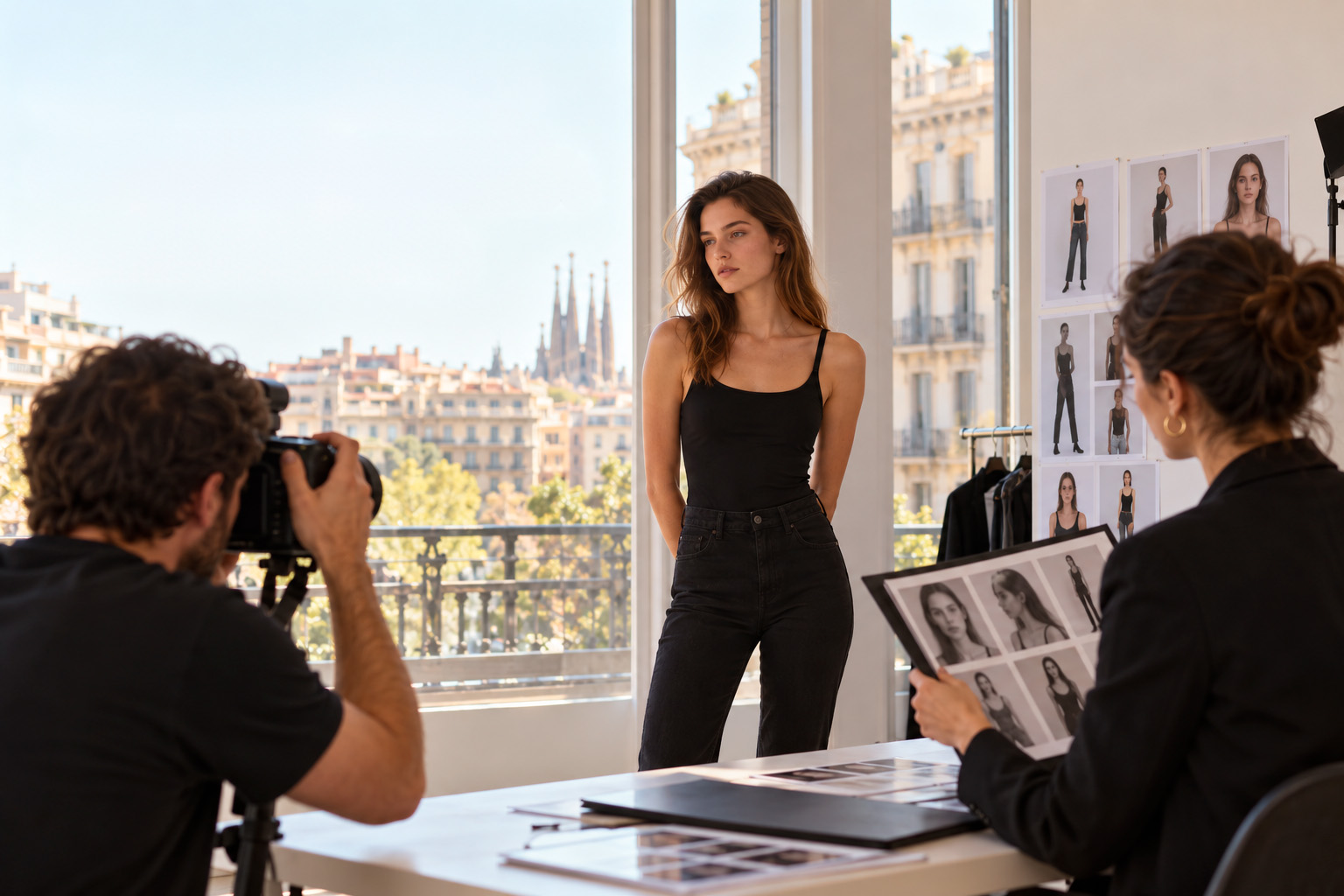
YouTube tutorials and practice mannequins have their place, but nothing prepares you for what happens when there's a camera in front of you. Studio lighting eats certain tones. Flash flattens texture. What looks perfect in the mirror vanishes—or gets exaggerated—in the final image. That's why, whether you're an established makeup artist or building your portfolio, you need real time in front of a lens.
The challenge is that finding those opportunities isn't always obvious. You can't just wait for someone to call. You need to know where to look and how to position yourself so they find you.
TFP collaborations: the most accessible entry point
TFP (Time for Print) is where most creatives building their book start out. Photographer, model, and makeup artist work unpaid, trading time for images that benefit everyone. It's a fair arrangement when approached seriously.
To find quality TFP collaborations, you can:
- Post on specialized platforms like Apreia, where photographers and models actively seek creative teams for their projects.
- Check forums and professional groups on social media tailored to your local market, whether that's Spain, Denmark, or both.
- Reach out directly to photographers whose visual style appeals to you and pitch a concrete collaboration, not a generic one.
When pitching a TFP collaboration, always bring a clear visual idea. A moodboard, a lighting reference, a specific concept. Photographers say yes much faster when they see the makeup artist knows where they're headed.
Photography schools and technical workshops
Photography schools need models and often need makeup artists for their lighting, portrait, and fashion practice sessions. Reaching out to photography programs in your city can create a steady stream of shoots. The environment is controlled, the photographers are learning—meaning more takes and more time—and you can test techniques without the pressure of a paying client.
In cities like Barcelona, Madrid, or Copenhagen, there are photography programs with regular studio sessions. Offer yourself as a freelance makeup artist. Many schools appreciate the reach-out, and some will add you to their regular network of collaborators.
Casting platforms and online creative communities
Beyond informal TFP, there are platforms built specifically to connect the different roles in a photo production. Apreia is one: it lets photographers post projects, models manage their portfolios, and creatives like makeup artists find like-minded teams to collaborate with professionally.
The advantage of using a structured platform over hunting on general social media is the quality of the environment. People on Apreia have made a deliberate move toward professional development. That filters out the noise and raises the chances of a collaboration that actually goes somewhere.
- Keep your profile current with your latest work and a clear description of your specialty.
- State whether you're available for TFP, paid projects, or both.
- Reply fast. In creative fields, being quick to communicate is part of being professional.
Events, fashion shows, and independent productions
University fashion shows, photography fairs, independent editorial shoots, and personal brand projects are spaces where professional makeup has a central role and where demand for talent often outpaces supply.
Make yourself visible in the circles where event organizers move. Show up at gallery openings, portfolio presentations, industry meetups. Word of mouth is still one of the most effective channels in the creative industry, especially in mid-sized markets like Denmark or Spain outside the major capitals.
How to make the most of each session
Finding the shoot is half the work. What you do during and after determines whether that collaboration becomes a solid piece for your portfolio or just an experience that goes nowhere.
- Talk to the photographer before you start about the planned lighting. Makeup for natural light is different from what works under studio flash or continuous light.
- Capture your own references during the shoot: photos of your process, details of the work, screenshots of the photographer's monitor if they're okay with it.
- Request the agreed files with a clear deadline. Vagueness in TFP work is the number one source of conflict.
- Share the results on your channels and tag the other collaborators. Mutual recognition builds community and attracts new projects.
Every shoot is a silent audition. The photographer, the model, the art director: they're all watching how you work, how you adapt, and how you handle pressure. Your reputation is built session by session.
Consistent practice in real-world settings is what separates a competent makeup artist from one who works with confidence. The opportunities are out there, but you have to go find them with a clear strategy and the mindset of someone who delivers value from day one.