I've Felt Intimidated by a Photographer—What Now?
When the Camera Becomes a Problem
Professional photography is a collaborative process. Models, makeup artists, stylists, and photographers work together to create images that represent everyone involved. Yet that dynamic isn't always balanced. If you've ever felt a photographer crossed a line—through inappropriate comments, unreasonable demands, or behavior that made you uncomfortable—this piece is for you.
Talking about intimidation in creative spaces remains awkward. But ignoring it doesn't make it disappear. What does help is getting clarity on what's happening, what you can do about it, and how to protect your career without walking away from it.
What Counts as Intimidating Behavior?
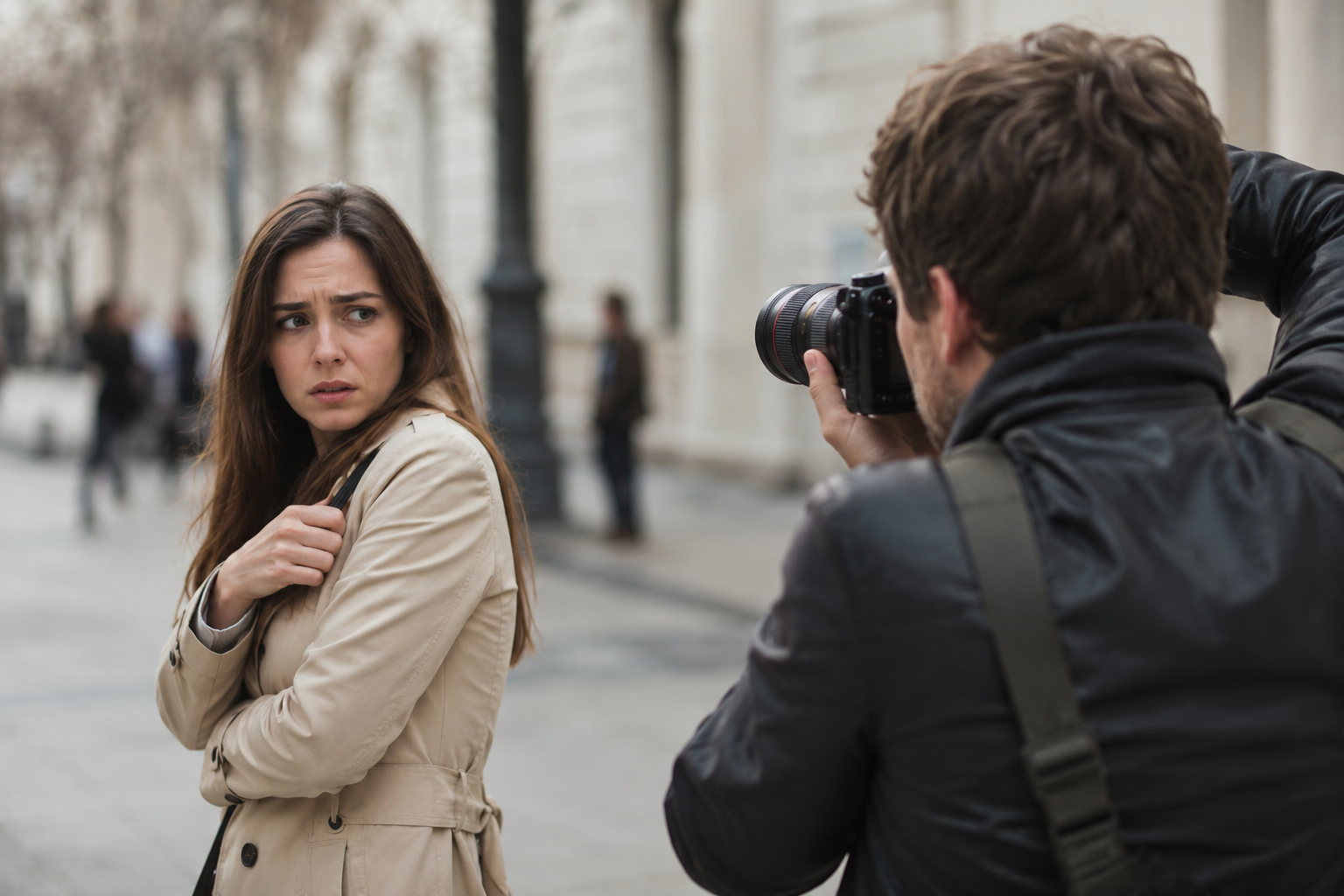
Not every tense moment is intimidation, but there are clear warning signs that something's off. Recognizing them is the first step:
- Pressure to pose in ways that weren't agreed upon beforehand.
- Comments about your body, appearance, or professionalism that feel belittling or out of place.
- Sudden attitude shifts when you set boundaries: anger, cold silence, or veiled threats about your reputation.
- Pushing to continue work after you've asked for a break or to stop the session.
- Using images without your consent or in ways different from what was agreed.
- Isolating you from the rest of the crew during the shoot for no clear reason.
These behaviors aren't part of the creative process. They're signals that the professional relationship isn't functioning on equal and respectful terms.
In the Moment: How to Act If It Happens During a Session
The hardest response is the immediate one, especially when you're in the middle of a job. But you have more resources than you might think.
- Name what's happening with calm clarity. A simple "this isn't what we agreed on" puts the situation on the table without escalating conflict.
- Ask for a break. You need time to think clearly. Stepping away for a few minutes is completely legitimate.
- Find someone you trust on set. If there's a coordinator, agent, or assistant present, reach out to them.
- Document what you can. If it's safe to do so, save messages, note what happened and when.
Setting a boundary doesn't ruin your career. Giving in to what makes you uncomfortable can, because it signals that your wellbeing doesn't matter.
After the Session: Concrete Steps
Once you're somewhere safe, it's time to decide how to move forward. There's no single right answer, but there are actions that help you regain control.
- Write everything down while it's fresh. Date, location, what happened, what was said. This record is valuable if you decide to take formal action later.
- Talk to someone you trust. A colleague, your agency, or a mentor in the field. You don't have to handle this alone.
- Review the contract or agreement you signed. If there were breaches of agreed terms, you have grounds to claim damages or end the professional relationship.
- Contact your agency or representative if you work through them. It's their responsibility to look out for you too.
- Consider sharing within your professional community. Platforms like Apreia exist to build networks of trust. Sharing your experience can protect others.
The Role of Professional Platforms
One advantage of working within a structured platform is that relationships have context and traceability. Profiles, ratings, and collaboration history create an environment where reputation—in both directions—matters.
On Apreia, photographers, models, makeup artists, and creatives can build their work history transparently. That means inappropriate behavior has visible consequences, and responsible professionals have space to stand out.
Choosing who you work with is part of your professional strategy. You're not obligated to take every project just because someone has an expensive camera or lots of followers.
Prevent Before It Gets There
The best protection is preparation. Before any session, especially with someone new, establish in writing what kind of work will happen, under what conditions, and how the images will be used. A simple contract or even an email exchange with clear terms can make all the difference.
Research the photographer before confirming. Look at their published work, ask around the community for references, and if possible, talk to someone who's worked with them. Caution isn't distrust: it's professionalism.
Your Wellbeing Is Non-Negotiable
Creativity thrives in environments where everyone feels safe and respected. If a collaboration ever makes you feel otherwise, that's important information about how you want to build your career. You're not alone in this, and there's a professional community ready to stand behind those who work with integrity.